Details:
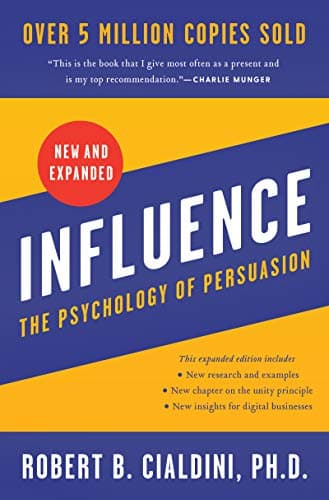
Give something useful and most people feel a tug to give back. Psychologists call that reflex reciprocation bias. Robert Cialdini framed it as the “Rule of Reciprocity” in Influence; Charlie Munger labels the same instinct the “Reciprocity Tendency” in his mental-model playbook. However you badge it, the circuitry is ancient: favours glue tribes together, freeloaders get edged out.
Put it to work - genuinely:
1. Lead with a small gift - Email a sharp article or template to a new contact before you ask for time. It costs you minutes, saves them hours, and plants the seed of return.
2. Open your playbook - Post that marketing teardown or GitHub snippet. Broadcasting value at scale means you’re not pinning anyone to repay.
3. Help on sight - Lift the suitcase into the overhead, proofread a friend’s résumé, flag a typo on someone’s landing page.
4. Host first - Buy the opening coffee.
5. Thank fast, thank publicly. A 30-second shout-out or LinkedIn endorsement keeps the virtuous loop spinning.
You may feel like you're sending out hidden invoices by giving first, but the point of this is to not expect anything in return directly. Remember the term 'no good deed goes to waste'?
Here are a couple of ways that may help:
1. When help is offered to anyone (Twitter thread, open-source doc, coffee for the next person in line), no one feels singled out or cornered.
2. State no expectation. “Hope this helps—no reply needed” erases suspicion. Tone tells people whether they’re free or in your debt.
3. Keep it proportionate. A link, a quick intro, five minutes of advice - small gifts are easy to accept and easy to repay in kind.
You’re not manipulating; you’re seeding goodwill in many directions and trusting the math of abundance: enough of what you give will circle back without you pulling strings or keeping score.